Floribbean Mango Burger Recipe: Why Most Fourth of July Burgers Fail (And How to Make Them Juicy Every Time)
Every year, millions of burgers hit grills across America, yet many of them end up dry, dense, and disappointing. If you’ve ever wondered why your homemade burgers don’t taste as juicy as the ones from your favorite backyard cookout, the answer might surprise you. The biggest mistake isn’t the seasoning, the cheese, or even the type of bun. It’s what happens while the burger is cooking. That’s exactly why I created this Floribbean Mango Burger Recipe—to show you how a few simple techniques, paired with bold tropical flavors, can completely transform your burger game.
One of the most common mistakes I see is people pressing down on their burgers with a spatula. It might seem harmless, especially when you hear that satisfying sizzle, but every press forces flavorful juices out of the meat and onto the cooking surface. Those juices aren’t grease to get rid of—they’re flavor. They’re what keep every bite moist, tender, and satisfying. Once they’re gone, no amount of cheese or sauce can truly bring that moisture back.
For this Fourth of July, I want to help you avoid that mistake. Instead of serving burgers that need to be drowned in condiments, you’ll learn how to build one that’s naturally juicy from the inside out. Then, I’ll show you how to elevate it with sweet mango, fresh pineapple, crisp cabbage, creamy Floribbean sauce ,and pepper jack cheese for a burger that delivers layers of flavor in every bite.
This isn’t just another burger recipe. It’s a celebration of Floribbean cooking, where Caribbean ingredients meet classic American comfort food. It’s perfect for Independence Day, weekend cookouts, backyard barbecues, beach gatherings, or anytime you want to serve something memorable without making the process complicated.
By the time you’re finished, you’ll know why choosing the right beef matters, why resting your patties makes a difference, why cast iron is one of my favorite cooking tools, and why a tropical slaw can completely change the way you think about burgers. Most importantly, you’ll understand that making an unforgettable burger isn’t about fancy ingredients—it’s about respecting the cooking process and letting great ingredients shine.
If you’re ready to stop serving dry burgers and start making burgers your family and friends will remember long after the cookout ends, you’re in the right place.
Why Most Fourth of July Burgers End Up Dry
The Fourth of July is one of America’s biggest grilling holidays. Backyards fill with friends and family, grills stay hot from morning until night, and burgers are almost always on the menu. Yet despite how often they’re cooked, burgers are one of the easiest foods to get wrong. The good news? It doesn’t take professional equipment or years of experience to make an incredible burger. It simply takes understanding a few fundamentals that many people overlook.
The biggest culprit is pressing the burger while it cooks.
I know it’s tempting. You hear the sizzle, you see smoke rising from the grill or skillet, and instinct tells you to flatten the patty to speed things up or create more browning. Unfortunately, that’s exactly the opposite of what you want to do. Every time you press down with your spatula, you’re squeezing flavorful juices directly onto the cooking surface instead of keeping them inside the burger where they belong.
Those juices are made up of rendered fat and moisture that naturally develop as the beef cooks. They’re responsible for the rich flavor and tender bite everyone hopes for when they take that first bite into a burger. Once they’re gone, they’re gone for good.
That’s why I always tell people one simple rule:
If you want a juicy burger, stop pressing it.
Instead, let the heat do the work. Allow the burger to develop a beautiful crust on its own before flipping it just once. Patience rewards you with a better texture, deeper flavor, and a burger that stays moist from the first bite to the last.
Another mistake I often see is overworking the meat before it even reaches the pan. Many home cooks aggressively mix and compress their ground beef, thinking tighter patties will hold together better. In reality, overhandling the meat creates a dense, firm burger instead of one that’s light and tender.
When I form my patties, I handle them just enough to shape them. That’s it. The less you manipulate the beef, the more naturally tender the finished burger will be.
Seasoning timing also matters more than most people realize. Some cooks season the meat far in advance or mix salt throughout the beef. While there are different schools of thought, I prefer seasoning the outside of my burgers just before they hit the hot skillet. This allows the seasoning to build an incredible crust while helping the burger retain more of its natural moisture.
These small decisions may seem insignificant on their own, but together they create a burger that’s dramatically different from the average backyard burger.
Why I Use 80/20 Ground Chuck
Every great burger starts with the right beef.
Whenever someone asks me how to make a juicy burger, my answer almost always begins with the same recommendation: 80/20 ground chuck.
That number simply refers to the ratio of lean meat to fat—80 percent lean and 20 percent fat. While some people automatically reach for leaner ground beef because it sounds healthier, lean meat contains less fat to keep the burger moist during cooking. The result is often a burger that’s dry, crumbly, and lacking the rich flavor people expect.
Fat isn’t the enemy when you’re making burgers. It’s one of the ingredients responsible for making them taste incredible.
As the burger cooks, that fat slowly renders into the meat, adding moisture and creating the juicy texture that makes every bite satisfying. It also helps produce the deep, caramelized crust that develops when the burger makes contact with a hot cast iron skillet or grill.
Using beef that’s too lean means sacrificing both flavor and texture before you even start cooking.
That’s why I stick with 80/20 ground chuck for this Floribbean Mango Burger Recipe. It provides the perfect balance of tenderness, richness, and structure while supporting all the tropical toppings that make this burger unique.
The Floribbean Difference
I’ve always believed that a great recipe should tell a story.
Floribbean cuisine is exactly that—a meeting place between the Caribbean and Florida, where tropical fruits, bright citrus, bold seasonings, and fresh ingredients come together with familiar comfort foods.
This burger represents everything I love about that style of cooking.
Instead of relying on heavy toppings alone, I balance the richness of the beef with ingredients that naturally brighten every bite. Sweet mango, juicy pineapple, fresh cilantro, crisp cabbage, tangy lime, creamy Floribbean sauce, and pepper jack cheese each play an important role. None of them compete with the burger—they work together to create layers of flavor.
The tropical slaw isn’t there simply to add color. Its sweetness complements the savory beef, while the cabbage provides crunch and the lime cuts through the richness. The Floribbean sauce adds creaminess with just enough citrus and sweetness to tie everything together.
It’s a combination that feels familiar enough for a classic Fourth of July cookout while introducing flavors that surprise people in the best possible way.
That’s what Floribbean cooking is all about. I don’t believe you have to choose between comfort food and vibrant island flavors. When they’re balanced correctly, they elevate each other.
And when you combine those flavors with proper burger technique, you don’t just end up with another cheeseburger.
You end up with a burger that’s juicy, colorful, packed with texture, and memorable enough that your guests will be talking about it long after the fireworks are over.
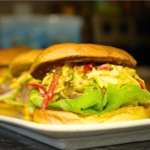
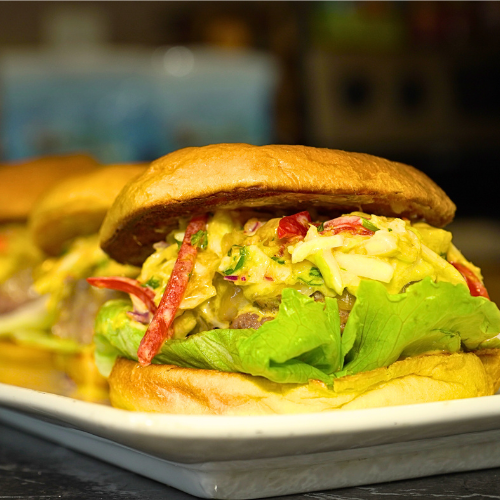
Floribbean Mango Burger with Tropical Slaw
Ingredients
Burger Ingredients
Burger Patties
- 2 lbs 80/20 Ground Chuck
- 2 tsp Kosher Salt
- 1 tsp Black Pepper
- 1 tsp Garlic Powder
Floribbean Sauce
- 1/2 cup Mayonnaise
- 1 tbsp Dijon Mustard
- 1 tbsp Honey
- 1 tbsp Fresh Lime Juice
- 1 tsp Hot Sauce optional
- Pinch of Salt
Tropical Mango-Pineapple Slaw
- Burger Build
- 4 Brioche Burger Buns
- 4 slices Pepper Jack Cheese
- Lettuce Leaves
- Tomato Slices
- Butter for Toasting Buns
Instructions
Step 1 – Prepare the Tropical Slaw
- In a medium bowl combine:
- Mango
- Pineapple
- Red Onion
- Cilantro
- Lime Juice
- Salt
- Mix gently and refrigerate while preparing the burgers.
Chef Tip:
- Allowing the slaw to rest for 15-20 minutes helps the flavors marry together beautifully.
Step 2 – Make the Floribbean Sauce
- In a small bowl combine:
- Mayonnaise
- Dijon Mustard
- Honey
- Lime Juice
- Hot Sauce
- Salt
- Whisk until smooth.
- Refrigerate until ready to use.
Step 3 – Form the Burgers
- Divide ground chuck into 4 equal portions (approximately 8 ounces each).
- Gently form into patties approximately 1 inch larger than the bun.
Important:
- Do not overwork the meat. Handle it just enough to form the patties.
Season both sides with:
- Salt
- Black Pepper
- Garlic Powder
Step 4 – Cook the Burgers
- Heat a cast iron skillet over medium-high heat.
- Place burgers into the hot skillet.
Cook approximately:
- 4-5 minutes on first side
- Flip once
- Cook additional 3-4 minutes
- Add pepper jack cheese during the final minute of cooking.
Chef Winston's Burger Rule:
- Never press the burger while cooking. Pressing forces flavorful juices out of the meat and leads to a dry burger.
Step 5 – Toast the Buns
- Lightly butter the brioche buns.
- Toast cut-side down in the skillet until golden brown.
Step 6 – Build the Burger
- Spread Floribbean Sauce on both sides of the bun.
Layer:
- Lettuce
- Burger Patty
- Pepper Jack Cheese
- Tomato
- Tropical Mango-Pineapple Slaw
- Finish with top bun.
Video
Notes
Don't Press The Burger
One of the biggest mistakes people make is pressing burgers while cooking. Every drop of juice lost equals flavor lost.
Use 80/20 Ground Chuck
The extra fat equals more flavor and a juicier burger.
Let It Rest
Allow burgers to rest for 3-5 minutes before serving.
Cast Iron Wins
A cast iron skillet creates an incredible crust while keeping the inside juicy and flavorful. Why This Recipe Works
The savory richness of the beef is balanced by the sweet tropical flavors of mango and pineapple. The pepper jack adds a mild kick, while the Floribbean sauce ties everything together with citrus and sweetness.
It's everything you love about a classic American burger with a bold Caribbean-inspired twist.
Bring your fork... or bring your feelings- Either way I’m bringing FLAVA!
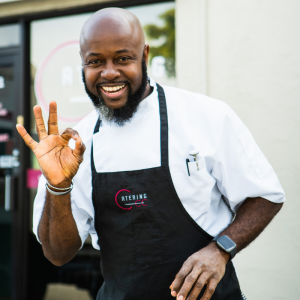
– Chef Winston Williams
Floribbean Cuisine