
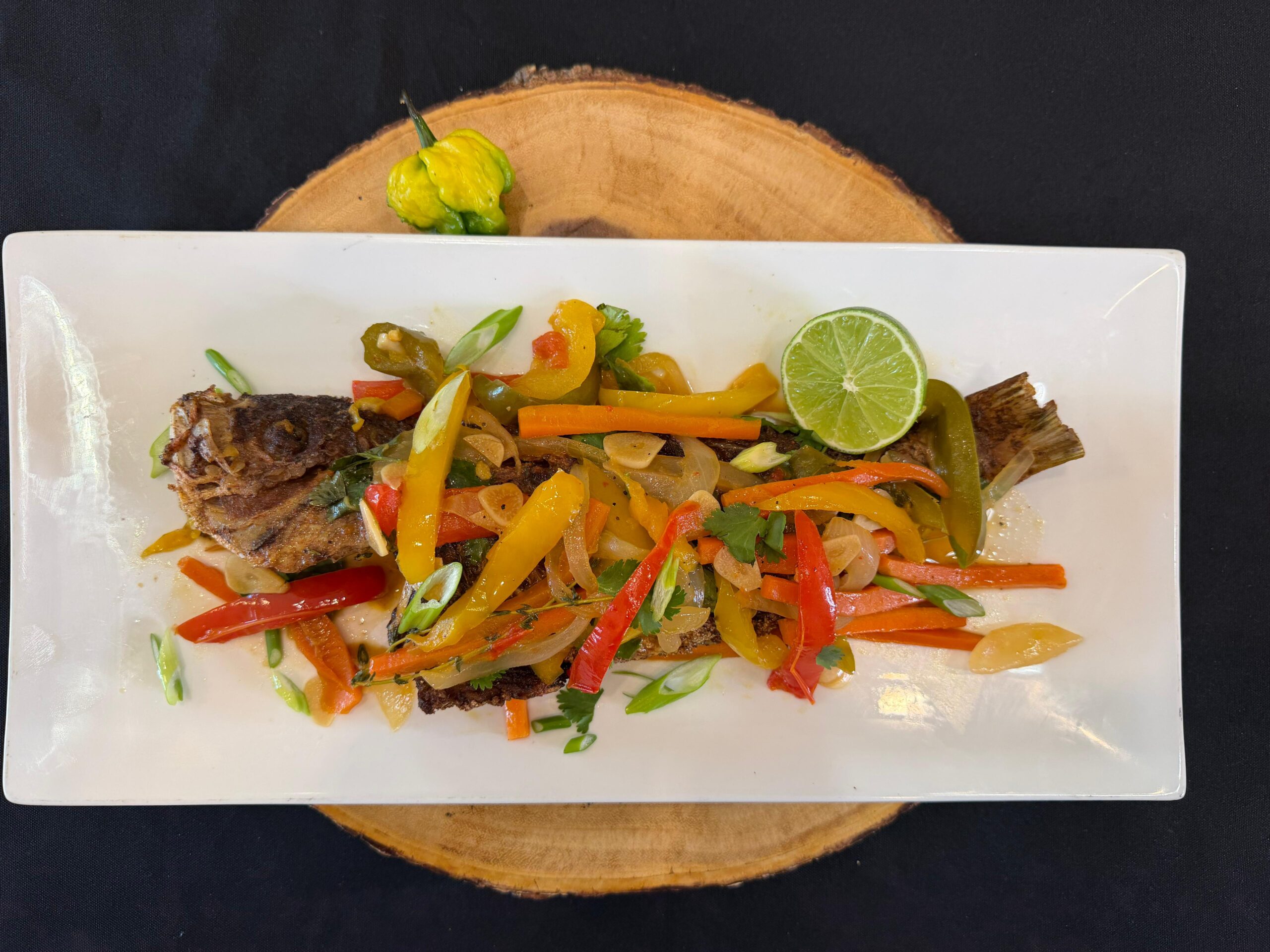
Escovitch Fish Floribbean Style
Some people come into your life for a season. Others become family.
This Escovitch Fish Floribbean Style Recipe is special to me because it was inspired by one of those people.
For years, my daughter’s best friend Sharice has been asking me to teach her how to make escovitch fish. She has been part of our family since she was twelve years old, and every time she came back home to visit, the request was always the same.
“Chef, when are you going to teach me escovitch fish?”
Well, this time we finally made it happen.
As we stood in the kitchen together, talking about family memories, California life, Caribbean food, and all the meals we’ve shared over the years, I realized this recipe was about much more than fish. It was about passing along culture. It was about sharing traditions. It was about taking something deeply rooted in Caribbean cooking and showing how it can continue evolving while still honoring where it came from.
That’s exactly what Floribbean cuisine means to me.
I love respecting tradition, but I also love coloring outside the lines.
Traditional escovitch fish is already incredible. Crispy fried fish. Tangy vegetables. Scotch bonnet peppers. Vinegar. It’s one of the Caribbean’s most beloved seafood dishes for good reason.
But because I live in South Florida, I wanted to build on those flavors using ingredients that surround me every day.
Fresh grapefruit.
Fresh oranges.
Fresh lime.
A touch of honey.
A little creativity.
The result is this Escovitch Fish Floribbean Style recipe.
It still delivers everything you expect from authentic escovitch fish, but with a bright tropical twist that makes it uniquely Floribbean.
The balance of sweet, spicy, acidic, and savory flavors creates something that feels familiar while still bringing something new to the table.
And trust me, once those citrus juices meet that crispy snapper, you’re going to understand exactly why this recipe became an instant favorite.
What Is Escovitch Fish?
Escovitch fish is one of the most iconic seafood dishes throughout the Caribbean.
At its core, the process is simple.
You season a fish.
You fry it until golden and crispy.
Then you top it with vegetables that have been lightly pickled in an acidic marinade.
The name itself comes from an older preparation involving fried fish and marinating. Over time, Caribbean cooks transformed the technique into something uniquely their own.
Today, escovitch fish is celebrated throughout the islands and has become a staple at family gatherings, festivals, restaurants, and Sunday dinners.
One of the things I love most about escovitch fish is the contrast.
The fish is rich and crispy.
The vegetables are vibrant.
The sauce is bright.
The peppers bring heat.
Every bite offers something different.
That’s what makes it unforgettable.
Why I Created This Floribbean Version
Whenever I make a traditional dish, my goal is never to change it just for the sake of changing it.
I want to build on what already works.
Traditional escovitch relies heavily on vinegar.
I wanted to create something that still delivered that acidity but in a way that reflected South Florida and the Floribbean style of cooking.
Instead of making vinegar the dominant flavor, I decided to build layers of acidity.
Fresh grapefruit juice.
Fresh orange juice.
Fresh lime juice.
Red wine vinegar.
Then I balanced everything with a touch of honey.
The result is a sauce that feels brighter and more complex.
The grapefruit brings subtle bitterness.
The orange adds natural sweetness.
The lime brings freshness.
The vinegar keeps the dish connected to its escovitch roots.
The honey ties everything together.
When all of those elements come together, you get the signature balance I love so much:
Sweet + Spicy + Acidic + Savory
That’s the heart of Floribbean cooking.
Why Whole Fish Matters in Caribbean Cooking
If you’ve spent any time around Caribbean kitchens, fish fries, beach cookouts, or island festivals, you’ve probably noticed something right away.
We love serving whole fish.
For many people who didn’t grow up around Caribbean food, seeing a whole fish on a plate can feel intimidating at first. The head is still attached. The tail is still there. The presentation is very different from the neatly trimmed fillets you often find in grocery stores and restaurants.
But for us, that’s part of the experience.
A whole fish tells a story.
It connects us to generations of fishermen, market vendors, home cooks, and chefs who understood how to respect an ingredient from start to finish. Nothing is hidden. Nothing is wasted. Everything is appreciated.
Growing up in the islands, seeing a whole fish on the table was normal. It wasn’t considered unusual or fancy. It was simply the way fish was served.
There are practical reasons for that tradition as well.
A whole fish retains moisture better during cooking.
The bones contribute flavor.
The skin helps protect the flesh.
The presentation creates a beautiful centerpiece for the table.
Most importantly, many people believe the best bites are found closest to the bone.
When I was catering Caribbean festivals and events over the years, I would often watch guests line up specifically for the whole fish. There was something about seeing that perfectly fried snapper covered in vibrant escovitch vegetables that immediately drew people in.
The visual impact matters.
A beautifully prepared whole snapper feels special.
It feels authentic.
It feels connected to tradition.
That’s one of the reasons I continue using whole fish whenever possible. It keeps the dish connected to its Caribbean roots while delivering incredible flavor and texture.
When you place a whole snapper on a platter and cover it with colorful escovitch vegetables, you’re not just serving dinner.
You’re serving a piece of Caribbean culture.
The Role of Citrus in Floribbean Cuisine
One of the things I love most about living and cooking in South Florida is access to incredible citrus.
Oranges.
Limes.
Grapefruit.
They’re everywhere.
For years, those ingredients have inspired the way I approach Floribbean cooking.
Traditional escovitch fish relies heavily on vinegar for its signature tangy flavor. There’s absolutely nothing wrong with that approach. It has worked for generations and continues to produce delicious results.
But as I thought about how I wanted to approach this recipe, I kept asking myself a simple question:
How can I keep the spirit of escovitch fish while bringing in the flavors that define Floribbean cuisine?
The answer was citrus.
Fresh citrus does much more than provide acidity.
It creates complexity.
Each fruit contributes something different.
Grapefruit brings brightness and subtle bitterness.
Orange delivers sweetness and body.
Lime provides freshness and sharpness.
When these flavors come together, they create a much more layered experience than relying on a single source of acidity.
That doesn’t mean vinegar disappears from the recipe.
I still use red wine vinegar because it helps maintain the traditional escovitch character.
The difference is that vinegar becomes part of the flavor profile rather than the entire flavor profile.
This is one of the defining characteristics of Floribbean cuisine.
Rather than relying on one dominant ingredient, Floribbean cooking often layers tropical fruits, herbs, spices, and fresh produce to create depth.
It’s about balance.
It’s about creating dishes that feel bright and fresh without sacrificing bold flavor.
That’s exactly what happens here.
The citrus doesn’t replace the escovitch.
The citrus elevates it.
As the grapefruit, orange, lime, and vinegar combine with the vegetables, peppers, and herbs, something special begins to happen. Every ingredient contributes its own personality while supporting the overall dish.
The result is vibrant, refreshing, and unmistakably Floribbean.
Understanding Sweet, Spicy, Acidic, and Savory Balance
Every great recipe is built on balance.
When people ask me what makes Floribbean cuisine unique, balance is usually my first answer.
I don’t want one flavor dominating everything else.
I want each flavor to have its moment.
This Escovitch Fish Floribbean Style recipe is a perfect example of that philosophy.
The sweetness comes from multiple places.
The orange juice contributes natural sugar.
The grapefruit adds subtle fruitiness.
The honey softens the sharper edges of the sauce.
The spicy element comes from the Scotch bonnet pepper.
Scotch bonnet peppers are famous throughout the Caribbean for their heat, but they also provide incredible flavor. Unlike some peppers that simply add spice, Scotch bonnets bring a fruity quality that works beautifully with seafood and citrus.
The acidic component comes from the citrus juices and vinegar.
Acidity is what keeps the dish feeling fresh and lively.
Without acidity, the fish could feel heavy.
Without acidity, the vegetables could feel flat.
Acidity wakes everything up.
Finally, there is the savory foundation.
The seasoned snapper provides richness and depth.
The garlic, onion, paprika, cumin, and allspice create layers of flavor that anchor the entire dish.
When these four elements work together, something magical happens.
No single ingredient steals the spotlight.
Instead, every bite delivers a combination of sweet, spicy, acidic, and savory flavors that constantly keep your palate interested.
That’s what I mean when I talk about Floribbean balance.
Common Mistakes When Making Escovitch Fish
Escovitch fish isn’t difficult to make, but there are a few mistakes that can prevent it from reaching its full potential.
One of the biggest mistakes is failing to dry the fish properly.
Moisture prevents crisping.
If the fish isn’t thoroughly dried before seasoning and frying, you’ll never achieve the texture that makes escovitch fish so satisfying.
Another common mistake is skipping the scoring process.
Those cuts aren’t decorative.
They’re functional.
They help seasoning penetrate deeper and allow flavor to reach the bone.
Overcooking the vegetables is another issue.
The vegetables should soften slightly while maintaining texture.
If they become mushy, the finished dish loses an important layer of contrast.
Using too much vinegar can also create problems.
The goal is balance.
The acidity should complement the fish rather than overwhelm it.
That’s one reason I enjoy incorporating citrus into my Floribbean version.
It creates brightness without excessive sharpness.
Many cooks also under-season the fish.
A whole fish requires more seasoning than most people realize.
Season both the outside and the cavity.
Season the cuts.
Season thoroughly.
Finally, don’t rush the resting process.
Once the escovitch vegetables are poured over the fish, allow everything time to come together.
Patience rewards you with better flavor.
Bringing Caribbean Flavors to New Generations
One of the reasons this recipe means so much to me is because it represents something bigger than food.
It represents passing knowledge forward.
Recipes don’t survive because they’re written down.
Recipes survive because they’re shared.
Someone teaches someone else.
A parent teaches a child.
A grandparent teaches a grandchild.
A mentor teaches a student.
A family friend spends years asking to learn a recipe, and one day that lesson finally happens.
That’s exactly what this episode represented for me.
Standing in the kitchen with Sharice reminded me how important it is to preserve traditions while allowing younger generations to make those traditions their own.
Food connects people.
Food preserves memories.
Food keeps culture alive.
When we teach recipes like escovitch fish, we’re doing more than showing someone how to cook.
We’re sharing stories.
We’re sharing experiences.
We’re sharing a piece of where we come from.
The beautiful thing is that these traditions continue evolving.
Today, Sharice can take this recipe back to California.
She can cook it for friends.
She can share it with family.
She can introduce new people to Caribbean flavors.
And the story continues.
That’s one of the most rewarding parts of being a chef.
What Makes Floribbean Cuisine Unique?
Floribbean cuisine is often described as a fusion of Caribbean cooking and South Florida ingredients.
While that’s true, I think it’s much more than that.
Floribbean cuisine is a mindset.
It’s a willingness to respect tradition while embracing creativity.
It’s about taking incredible Caribbean techniques and pairing them with fresh local ingredients.
It’s about celebrating seafood.
It’s about embracing tropical fruits.
It’s about creating dishes that feel vibrant, colorful, and full of life.
In Floribbean cooking, you’ll often find:
- Fresh citrus
- Tropical fruits
- Seafood
- Fresh herbs
- Caribbean spices
- Bright sauces
- Bold flavors
This Escovitch Fish Floribbean Style recipe checks every one of those boxes.
It honors Caribbean cooking while showcasing ingredients that thrive right here in South Florida.
The result isn’t traditional Caribbean cooking.
The result isn’t traditional Florida cooking.
The result is something that exists beautifully between the two.
That’s Floribbean cuisine.
And that’s exactly what makes this recipe so special.
Why You’ll Love This Escovitch Fish Floribbean Style Recipe
It Delivers Incredible Flavor
Every bite combines crispy fish, citrus, vegetables, herbs, and peppers into one unforgettable experience.
It Honors Caribbean Tradition
While I’ve added my own Floribbean spin, the soul of the dish remains rooted in authentic Caribbean cooking.
It’s Perfect for Entertaining
Few dishes make a statement quite like a beautifully prepared whole snapper.
The Colors Are Beautiful
Between the peppers, carrots, onions, citrus, and fresh herbs, the finished presentation is stunning.
It Gets Better As It Sits
One of my favorite things about escovitch fish is how the flavors continue developing after everything comes together.
Choosing the Right Fish
For this recipe, I use whole snapper.
A whole fish gives you the best presentation.
It also allows the escovitch marinade to penetrate throughout the fish.
When selecting fish, I always look for:
- Clear eyes
- Firm flesh
- Bright skin
- Fresh smell
For this recipe, the fish was cleaned thoroughly, rinsed with lime and vinegar, and allowed to dry before seasoning.
That drying process is important.
Moisture is the enemy of crispiness.
The drier the fish, the better the final texture.
My Secret for Better Flavor
One thing I always teach people is that seasoning should never stop at the surface.
That’s why I score the fish.
Those cuts aren’t just for presentation.
They allow flavor to penetrate deeper.
I want seasoning inside every bite.
Inside the cuts.
Inside the cavity.
Around the entire fish.
Every bite should taste seasoned.
The combination of garlic powder, paprika, cumin, allspice, black pepper, onion powder, salt, and lime zest creates layers of flavor that complement the escovitch sauce beautifully.
When I season fish, I season with intention.
I don’t want a beautiful fish that only tastes good on the outside.
I want flavor all the way to the bone.
My Approach to Allspice
Allspice is a staple ingredient in Caribbean cooking.
You’ll find it in soups, marinades, jerk seasoning, and countless traditional recipes.
But over the years, I’ve learned something.
Whole allspice berries can be tricky.
If someone bites directly into one, it can be overwhelming.
That’s why I prefer grinding the allspice and incorporating it directly into the fish seasoning.
You still get all the flavor.
You avoid unpleasant surprises.
And the seasoning distributes more evenly throughout the dish.
For me, it’s simply a better application.
The Secret Behind the Escovitch Sauce
The sauce is where this recipe truly becomes Floribbean.
Once the onions, carrots, peppers, garlic, and Scotch bonnet begin cooking, the kitchen starts filling with incredible aromas.
Then the citrus arrives.
Fresh lime juice.
Fresh orange juice.
Fresh grapefruit juice.
Red wine vinegar.
Fresh thyme.
Honey.
At that point, something special starts happening.
The vegetables soften slightly while still maintaining texture.
The citrus begins balancing the heat.
The honey smooths everything out.
The flavors start working together.
Every ingredient has a purpose.
Nothing dominates.
Everything contributes.
That’s exactly what I want.
Why I Skip the Flour
People often ask whether they should coat the fish in flour or cornstarch before frying.
My answer is simple.
You can.
But for this recipe, I don’t think it’s necessary.
Here’s why.
The escovitch sauce eventually gets poured over the fish.
That moisture naturally softens the exterior.
If I’m serving plain fried fish, a coating makes perfect sense.
If I’m making escovitch fish, I focus more on flavor than maximum crispiness because the fish is about to absorb all that beautiful sauce anyway.
The goal isn’t crunch.
The goal is flavor.
The Magic Happens During the Rest
One of the biggest mistakes people make with escovitch fish is serving it immediately.
I like giving it time.
Once the vegetables and sauce are poured over the fish, I let everything rest.
This is where the flavors start marrying together.
The fish absorbs the citrus.
The vegetables soften further.
The seasoning and sauce become one.
The longer it sits, the better it gets.
That’s why escovitch fish has always been one of those dishes that rewards patience.
Serving Suggestions
When I serve this recipe, I like pairing it with dishes that complement the bright flavors without competing with them.
Some of my favorites include:
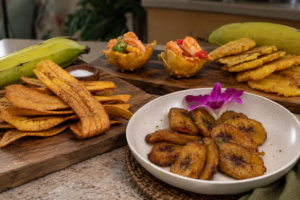
- Seasoned peas and rice
- Sweet plantains
- Johnny cakes
- Avocado
- Tropical slaw
For a full Floribbean presentation, I also love adding:
- Fresh mango slices
- Lime wedges
- Micro cilantro
The combination creates a plate that is colorful, vibrant, and packed with flavor.
Frequently Asked Questions
Can I Use Another Fish?
Absolutely.
While snapper is my preference, this preparation works beautifully with other fish as well.
Is Scotch Bonnet Necessary?
If you want authentic Caribbean flavor, yes.
The unique fruity heat of Scotch bonnet peppers is difficult to replace.
Why Use Grapefruit Juice?
Grapefruit brings brightness and complexity that you simply don’t get from vinegar alone.
It’s one of the ingredients that truly makes this recipe Floribbean.
Why Let It Rest?
The resting period allows the fish to absorb the sauce and develop deeper flavor.
Does It Have To Be Served Hot?
Not necessarily.
Escovitch fish is often enjoyed closer to room temperature after the flavors have had time to develop.
My Signature Floribbean Touch
Every chef has certain flavor combinations that define their cooking.
For me, this dish represents everything I love about Floribbean cuisine.
The grapefruit.
The citrus.
The honey.
The vinegar.
The Scotch bonnet.
The fresh herbs.
Everything works together to create balance.
Not too sweet.
Not too spicy.
Not too acidic.
Not too rich.
Just balanced.
And that’s exactly what Floribbean cooking is all about.
Final Thoughts
This Escovitch Fish Floribbean Style Recipe is more than just another seafood recipe. It represents family, tradition, culture, and creativity all on one plate.
I took everything I love about traditional Caribbean escovitch fish and combined it with the bright citrus flavors that inspire me here in South Florida. The result is a dish that feels familiar while bringing something fresh and exciting to the table.
From the crispy snapper to the vibrant vegetables and the sweet-spicy-citrusy escovitch sauce, every bite tells a story.
It’s a story about Caribbean heritage.
It’s a story about family.
And it’s a story about bringing people together through great food.
I hope you enjoy making this recipe as much as I enjoyed sharing it. Once you taste that balance of sweet, spicy, acidic, and savory flavors, you’ll understand exactly why this has become one of my favorite Floribbean seafood dishes.
Escovitch Fish Floribbean Style
Ingredients
FOR THE FISH
- 2 whole red snappers 1.5–2 lbs each, cleaned and scaled
- 2 tablespoons olive oil
- 1 tablespoon garlic powder
- 1 tablespoon smoked paprika
- 1 teaspoon cumin
- 1 teaspoon allspice
- 1 teaspoon black pepper
- 2 teaspoons kosher salt
- Zest of 2 limes
- 1 teaspoon onion powder
- Optional: light dusting of flour or cornstarch for extra crispiness
FLORIBBEAN ESCOVITCH SAUCE
- 1 large Spanish onion sliced
- 1 large carrot julienned
- ½ red bell pepper julienned
- ½ yellow bell pepper julienned
- 1 Scotch bonnet pepper sliced
- 4 garlic cloves sliced
- ½ cup fresh grapefruit juice
OPTIONAL FLORIBBEAN FINISH
- Fresh mango slices
- Fried sweet plantains
- Avocado fan
- Micro cilantro
- Lime wedges
Instructions
PREP THE SNAPPER
- Score both sides of the fish with 3 diagonal cuts.
- Pat dry thoroughly.
- Rub with olive oil, then season generously inside and out with:
- garlic powder
- paprika
- cumin
- allspice
- salt
- black pepper
- onion powder
- lime zest
- Allow fish to marinate 20–30 minutes.
FRY THE FISH
- Heat oil to 350°F.
- Fry whole snapper until golden and crispy, about:
- 7–9 minutes per side depending on size
- Drain on rack or paper towels.
MAKE THE ESCOVITCH
- In a large sauté pan:
- add olive oil
- onions
- carrots
- peppers
- garlic
- Scotch bonnet
- Sauté 2–3 minutes.
Add:
- grapefruit juice
- orange juice
- lime juice
- vinegar
- honey
- thyme
- Simmer lightly 4–5 minutes until vegetables soften slightly but still maintain texture.
- Season to taste.
- Finish with cilantro.
BUILD THE MAGIC
- Place crispy snapper onto platter.
- Spoon warm escovitch vegetables and sauce generously over the top.
- Let rest 10–15 minutes before serving so the flavors marry beautifully.
Video
Notes
Serve with:
seasoned peas & rice
sweet plantains
Johnny cakes
avocado
tropical slaw SECRET CHEF WINSTON TOUCH
The combination of:
grapefruit juice
citrus
honey
vinegar
creates a bright Floribbean balance between:
sweet + spicy + acidic + savory.
That’s the signature.