
The Soul of the Sea: Floribbean Saltfish Redefined
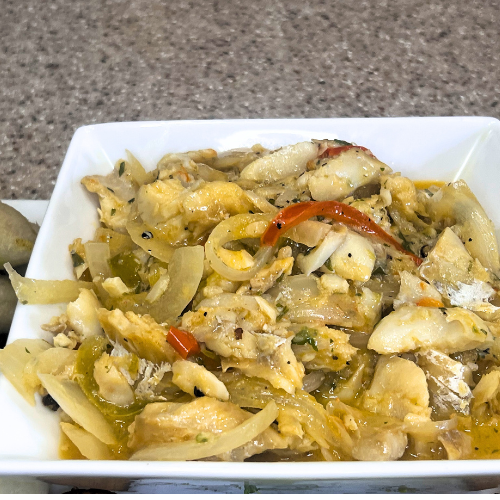
There is a profound sense of history in every flake of Floribbean Saltfish, a dish that connects the sun-drenched shores of Florida with the deep, storied traditions of the Caribbean. For generations, saltfish has been more than just a meal; it has been a staple of resilience and a centerpiece of the island breakfast table. Traditionally, it’s a dish that brings people together, often served with hearty provisions to fuel a long day. In my kitchen, I’m taking those foundational flavors and giving them a modern, “Floribbean” heartbeat that resonates with both the old world and the new.
This culinary marriage allows us to respect the ingredients of our ancestors while utilizing the fresh, vibrant techniques available to us today in the Sunshine State.
The Culinary Heritage of Floribbean Saltfish
Saltfish is a traveler. It’s an ingredient that has crossed oceans and defined the palates of millions across the diaspora. In the Virgin Islands and throughout the West Indies, we grew up with the familiar aroma of saltfish sautéed with peppers and onions. It is the taste of home, a comforting reminder of Sunday mornings and family gatherings.
By evolving this into a Floribbean style, we are honoring that history while introducing the bright, coastal influences of Florida—blending the salt of the sea with the luxury of the mainland. This fusion isn’t just about changing ingredients; it’s about expanding the conversation of what Caribbean food can be when it meets modern culinary techniques and diverse pantry staples like dry white wine and high-fat coconut milk.
Why This Recipe Stands Out
What makes this specific preparation a “Chef Winston” signature is the deliberate shift in technique. We aren’t just making a traditional, heavy stew; we are creating a delicate, silky emulsion that respects the integrity of the fish. By deglazing the pan with a crisp white wine and swirling in cold butter and full-fat coconut milk, we transform a humble ingredient into an elegant masterpiece.
The wine adds a necessary acidity that cuts through the richness of the coconut, while the “beurre monté” technique (whisking in cold butter at the end) gives the sauce a professional, glossy finish usually reserved for high-end bistros. The fish remains the hero—proud, flaky, and never lost in the sauce. It’s a sophisticated balance where the acidity of the wine meets the tropical creaminess of the coconut, creating a mouthfeel that is both comforting and high-end.
Chef Winston’s Tip for Success
The secret to an elite saltfish dish is all in the preparation of the fish itself. Never rush the soak! To achieve that perfect, tender flake without the overwhelming saltiness, soak your fish overnight and change the water at least twice. When you simmer it, do so gently—you want to preserve the texture, not boil it into oblivion. Once it’s ready, flake it into large, intentional chunks. If you shred it too fine, it will disappear into the sauce and lose its identity. Treat the fish with respect, and it will reward you with the perfect bite every single time.
Furthermore, pay close attention to your “slurry” when thickening the sauce. You want a consistency that is silky and spoonable, not thick and pasty. The goal is for the sauce to lightly coat the fish and your side provisions, acting as a bridge between the salty sea flavors and the earthy starches on your plate.
Serving and Presentation
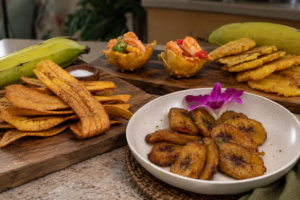
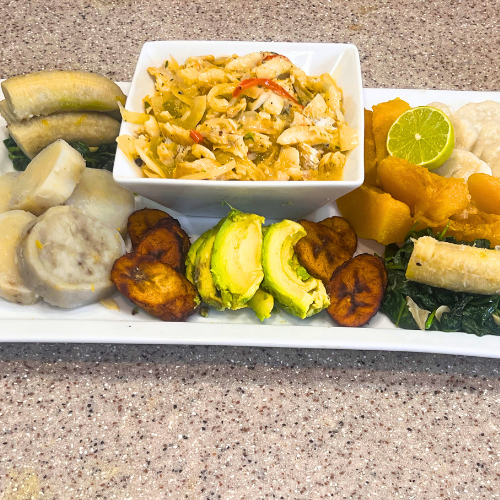
When serving this Floribbean Saltfish, remember that the sauce is liquid gold. Whether you’re pairing this with traditional fried dumplings (Johnnycake), steamed green bananas, or a modern roasted sweet potato, ensure you have enough of that silky coconut-wine reduction to coat every component on the plate. I recommend a final squeeze of fresh lime juice just before serving; that hit of fresh citrus wakes up the coconut milk and brings the white wine notes to the forefront. This is more than a recipe; it’s a celebration of where we’ve been and where the Floribbean kitchen is going.
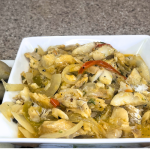
Floribbean Saltfish in White Wine
Ingredients
Saltfish & Sauce
- 12 oz saltfish salted cod, soaked, simmered, and flaked in large pieces
- 2 tbsp olive oil
- ½ small onion thinly sliced
- ½ red bell pepper julienned
- ½ green bell pepper julienned
- 3 cloves garlic minced
- ¼ cup dry white wine
- ½ –¾ cup warm low-sodium chicken broth vegetable broth or water (as needed)
- ½ cup full-fat coconut milk divided
- 1 –1½ tsp cornstarch
- 2 tbsp unsalted butter cold and cubed
- Fresh thyme leaves optional
- Black pepper to taste
- Fresh lime juice to finish
- Note: No added salt needed—the fish handles that.
Ingredient Notes & Substitutions
- Saltfish options: salted cod or salted palop
- Liquid base: water or chicken stock
- Heat finish optional: pepper flakes or scotch bonnet
Instructions
Prep the Saltfish
- Soak saltfish overnight in cold water, changing water once or twice.
- Simmer gently for 10–12 minutes until just tender.
- Drain, cool slightly, and flake into large chunks. Set aside.
Make the Sauce
- Sauté the Aromatics
- Heat olive oil over medium heat.
- Add onions and bell peppers; sauté until soft but still vibrant, 3–4 minutes.
- Add garlic and thyme (if using); cook until fragrant.
- Deglaze
- Pour in white wine. Scrape the pan and reduce by about half.
Build the Base
- Add warm broth or water to loosen the pan. Keep the sauce light and fluid.
- Thicken (Cornstarch Method)
- In a small bowl, whisk ¼ cup coconut milk + cornstarch until smooth.
- Stir slurry into the pan and simmer gently until the sauce lightly coats the back of a spoon.
- Enrich: Lower heat. Stir in remaining coconut milk, then swirl in cold butter until glossy.
Finish
- Fold in Saltfish
- Gently fold in the flaked saltfish. Warm through 2–3 minutes—do not over-stir.
- Brighten
- Finish with black pepper and a squeeze of fresh lime juice. Adjust acidity as needed.
Chef Winston’s Tips
- Soak saltfish overnight and change the water twice before boiling until tender.
- Flake the fish into large chunks—don’t shred it.
- Be careful adding salt; the fish already brings plenty.
- Deglaze with white wine and let it reduce before adding coconut milk.
- Add butter after reduction and keep the sauce at a gentle simmer so it doesn’t break.
- Add the saltfish last, just to warm through.
- Taste before seasoning—this dish needed no added salt.
- Optional heat at the end if you like spice; it’s not required.
Serving Notes
- Serve with dumplings, steamed green banana, sweet potato, sautéed spinach, or rice
- Sauce should be silky and spoonable, not thick or heavy
- Saltfish remains the hero—provisions are supporting cast
Notes