Traditional Caribbean Jerk Chicken
Bold, Smoky, Spicy, and Rooted in Island Tradition
Few dishes represent Caribbean cuisine more than jerk chicken. Traditionally cooked over pimento wood and infused with layers of heat, spice, and aromatics, jerk chicken is more than a recipe—it’s a cultural experience. This version honors those traditional flavors while using techniques that can easily be replicated in a home kitchen.
Before we talk about the twist, let’s talk about the tradition.
Whenever I make my Floribbean version of jerk chicken, people immediately want to know about the tropical relish. They want to talk about the mango, the pineapple, and all the fresh flavors that come later. But I always remind them that none of that matters without getting the foundation right first.
That’s why this Traditional Caribbean Jerk Chicken recipe exists.
It’s the recipe everything else is built on.
When I created my “Twist or Tradition” episode, I intentionally prepared both versions exactly the same way. The chicken was seasoned the same way. It was marinated the same way. It cooked the same way. Right up until the very end, there was no difference between the traditional platter and my Floribbean version. That wasn’t by accident. It was my way of showing that great innovation begins with great tradition.
Authentic jerk chicken has been bringing people together across the Caribbean for generations. It’s known for its bold seasoning, smoky aroma, and incredible depth of flavor, but authentic jerk has never been about making food as spicy as possible. Real jerk is about balance. Every herb, every spice, every aromatic ingredient has a role to play. When they come together, they create something far greater than heat alone.
For this recipe, I stay true to those traditional flavors while adapting the cooking method for today’s home kitchen. Not everyone has access to a traditional jerk pan or pimento wood, and that’s okay. I want to show you that you can still make outstanding jerk chicken in your own oven or on your backyard grill without sacrificing the flavors that make this dish a Caribbean classic.
Everything begins with my Traditional Jerk Marinade. I season the chicken lightly, coat it generously with the marinade, and let it rest overnight. That patience allows every herb, spice, and aromatic to work its way into the meat, creating bold flavor from the surface all the way to the bone.
One technique you’ll notice throughout this recipe is that I never waste flavor. As the chicken cooks, it releases beautifully seasoned juices into the pan. Instead of pouring them away, I reduce those juices until they’re rich and concentrated, then baste the chicken before serving. It’s a simple step, but it creates another layer of flavor while giving the chicken that beautiful glossy finish I love.
If you’re making jerk chicken for the first time, start here.
Learn the tradition.
Master the foundation.
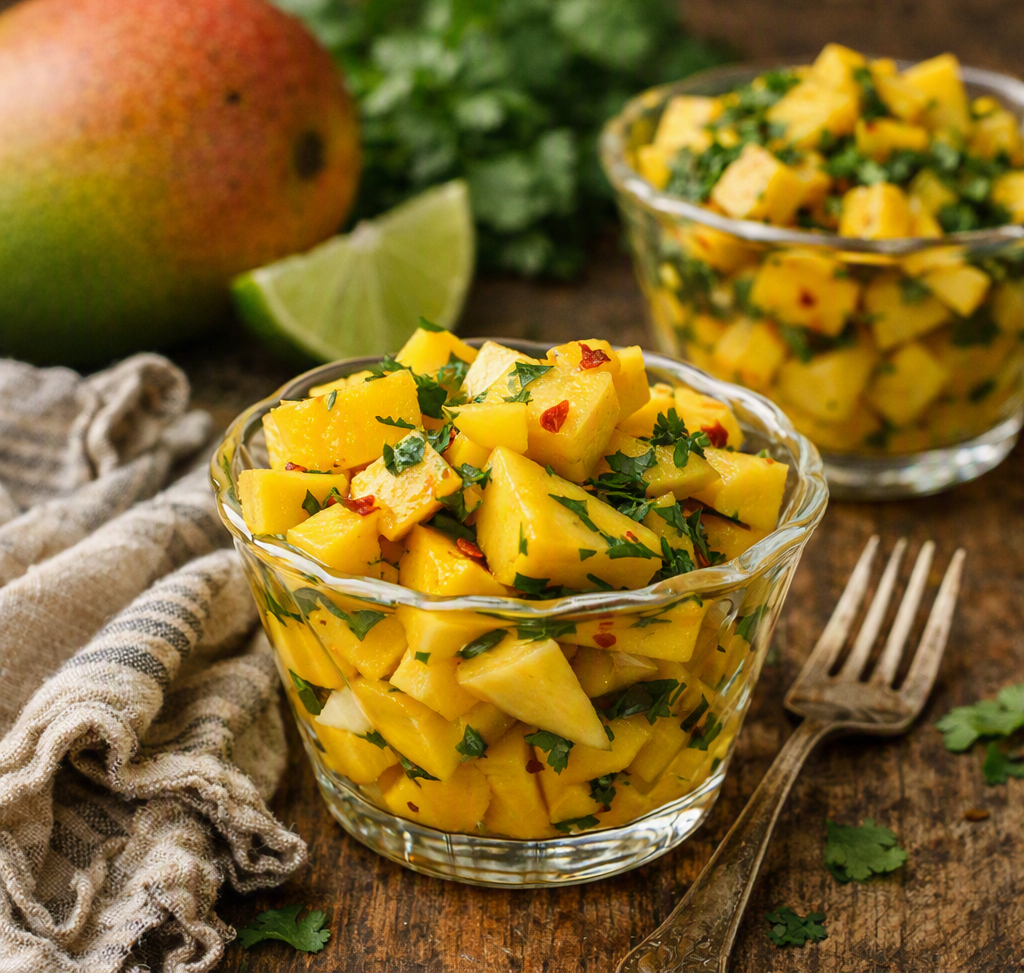
Then, when you’re ready to color outside the lines, you can move on to my Floribbean Jerk Chicken with Tropical Mango-Pineapple Relish and discover how one fresh finishing touch transforms the same authentic chicken into something completely new.
Because before there can ever be a twist…
There has to be tradition.
The Regional Roots of Traditional Caribbean Jerk Chicken
Traditional Caribbean Jerk Chicken isn’t just one of the Caribbean’s most famous dishes—it’s one of its greatest culinary traditions. Long before jerk became known around the world, it was a way of cooking that celebrated bold flavors, resourcefulness, and the ingredients that were readily available on the islands.
Authentic jerk is most closely associated with Jamaica, where generations of cooks perfected the art of seasoning meat with fresh herbs, warm spices, fiery Scotch bonnet peppers, and aromatic vegetables before slowly cooking it over pimento wood. That combination of smoke, spice, and patience created a flavor profile unlike anything else in the world, and today, jerk chicken has become one of the defining tastes of Caribbean cuisine.
Every family has their own recipe.
Every cook has their own technique.
Some swear by a particular blend of herbs and spices. Others have their own way of tending the fire or deciding exactly when the chicken is ready. Those little differences are part of what makes Caribbean cooking so special. While the methods may vary from one kitchen to another, the respect for tradition remains the same.
When I think about jerk chicken, I don’t just think about the finished plate. I think about the process.
I think about taking the time to prepare a flavorful Traditional Jerk Marinade, coating every piece of chicken generously, and letting it rest overnight. I think about the anticipation as the aroma begins filling the kitchen while the chicken cooks. I think about the juices collecting in the pan, knowing they’re far too flavorful to waste. Those are the little details that transform a good meal into one people remember.
Traditional jerk chicken has always been about more than heat.
As I often tell people, jerk chicken is all about balance. The Scotch bonnet peppers should wake up your palate, not overpower it. The thyme should be noticeable. The allspice should bring warmth. The garlic, ginger, and scallions should build depth. When every ingredient is working together instead of competing for attention, you end up with the rich, layered flavor that has made jerk chicken a Caribbean favorite for generations.
That’s exactly what I want this recipe to deliver.
It respects the traditions that came before us while showing that you don’t need a traditional jerk pan or pimento wood to create authentic Caribbean flavor at home. Whether you’re roasting the chicken in your oven or cooking it over indirect heat on your backyard grill, the goal is the same—to produce juicy, smoky, beautifully seasoned jerk chicken that honors its roots with every bite.
And once you’ve mastered this traditional recipe, you’ll have the perfect foundation to explore my Floribbean Jerk Chicken with Tropical Mango-Pineapple Relish, where the same authentic jerk chicken takes on a fresh tropical personality. Because before you can appreciate the twist, it’s worth understanding the tradition that inspired it.
Why This Traditional Caribbean Jerk Chicken Recipe Works
There are countless jerk chicken recipes online, but not all of them stay true to what makes authentic jerk so memorable. Some focus almost entirely on heat, while others rely on bottled sauces or shortcuts that miss the depth of flavor jerk chicken is known for. I wanted this recipe to be different.
This is the same jerk chicken I use as the foundation for my Floribbean Jerk Chicken with Tropical Mango-Pineapple Relish. Before I ever add a tropical twist, I make sure the traditional recipe can stand proudly on its own. If the foundation isn’t right, nothing you add afterward will make it better.
The first reason this recipe works is the marinade. My Traditional Jerk Marinade isn’t just something you brush onto the chicken before cooking—it’s the foundation of the entire dish. Fresh herbs, aromatic vegetables, warm spices, and Scotch bonnet peppers work together to create layers of flavor that develop while the chicken marinates overnight. Every bite should taste seasoned all the way to the bone, not just on the surface.
Choosing the right cut of chicken also makes a difference. I prefer bone-in thighs or leg quarters because they stay juicy throughout cooking and develop beautifully caramelized skin. As the chicken cooks, the fat renders slowly, naturally basting the meat and helping it stay tender while building rich flavor.
Another reason I love this recipe is that it’s approachable. Traditional jerk chicken is often cooked over pimento wood, and if you have that opportunity, I encourage you to experience it. But I also know that most home cooks don’t have a traditional jerk pan sitting in the backyard. That’s why I developed this version to work beautifully in a conventional oven or on a standard grill. You can still achieve authentic Caribbean flavor using equipment you already have.
One technique you’ll notice is that I don’t waste the flavorful juices released during cooking. Once the chicken is nearly done, I collect those juices, reduce them until they’re slightly thickened, then baste the chicken before serving. That extra step concentrates all the herbs, spices, and natural flavors that developed during cooking, giving the finished chicken an even deeper, richer taste.
Finally, this recipe stays true to one principle that I believe defines great jerk chicken:
Balance.
As I always say, “Jerk chicken is all about balance. Heat should never overpower the herbs, spices, and aromatics that make jerk so distinctive.”
The Scotch bonnet peppers should bring excitement, not dominate the dish. The thyme, allspice, garlic, ginger, and scallions should all have a chance to shine. When those flavors work together in harmony, you don’t just end up with spicy chicken—you end up with authentic Caribbean jerk chicken.
That’s why this recipe has become my starting point for everything that comes after. Master the tradition first, and every variation you create will have the strong foundation it deserves.
Ingredients That Make Traditional Caribbean Jerk Chicken So Unforgettable
One of the reasons Traditional Caribbean Jerk Chicken has remained a Caribbean favorite for generations is that it proves you don’t need dozens of ingredients to create incredible flavor. What you need is the right combination of fresh ingredients, quality chicken, and enough patience to let everything come together.
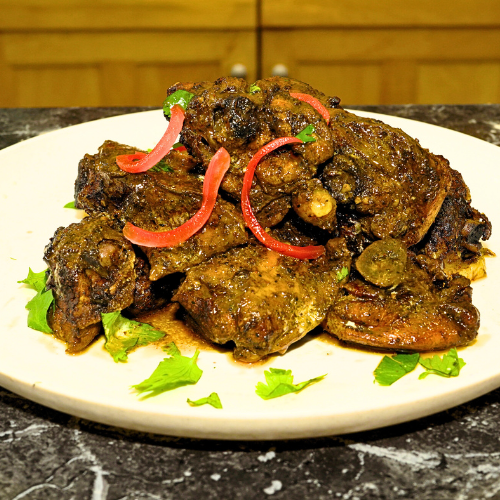
It all begins with the chicken. I prefer using bone-in chicken thighs or leg quarters because they deliver exactly what great jerk chicken should—juicy meat, flavorful skin, and plenty of natural richness. The bones help retain moisture throughout cooking, while the skin caramelizes beautifully as the marinade cooks into the meat. It’s a combination that gives you tender chicken with incredible texture and flavor in every bite.
The true star of this recipe, however, is the Traditional Jerk Marinade.
I always tell people that jerk flavor isn’t created at the grill—it’s created in the marinade. That’s where every layer of flavor begins. Fresh scallions, garlic, ginger, thyme, Scotch bonnet peppers, allspice, and other carefully balanced seasonings work together to create the bold, aromatic profile that makes jerk chicken instantly recognizable.
One ingredient I never overlook is allspice, often called pimento throughout the Caribbean. It gives jerk its warm, earthy character and works hand in hand with the thyme and peppers to create the signature flavor people expect from authentic jerk chicken. It’s one of those ingredients that quietly ties everything together.
Just as important as the ingredients themselves is giving them time to work. After coating the chicken generously with the marinade, I refrigerate it overnight. That resting time allows the flavors to move beyond the surface, seasoning the meat from the inside out. It requires a little patience, but the difference in the finished chicken is worth every minute.
As the chicken cooks, another ingredient is created naturally—the flavorful juices released into the pan. Some people pour those juices away, but I see them as an extension of the marinade itself. They’re filled with herbs, spices, rendered chicken fat, and concentrated flavor. I reduce those juices until they’re rich and glossy, then baste the chicken before serving. It’s a simple technique that adds even more depth while giving the chicken that beautiful finish everyone notices.
You’ll also notice that this recipe doesn’t rely on heavy sauces to create flavor. Once the chicken is properly marinated and cooked, it doesn’t need to be covered or hidden. The herbs, spices, smoke, and caramelization do the work naturally, allowing the authentic character of jerk chicken to shine through.
That’s one of the reasons I love this recipe so much. Every ingredient has a purpose. Nothing is there to overpower the others. The herbs bring freshness, the spices add warmth, the peppers provide heat, and the aromatics create depth. Together, they produce the bold, smoky, well-balanced flavor that has made Traditional Caribbean Jerk Chicken one of the Caribbean’s most iconic dishes for generations.
Chef Winston’s Tips for Perfect Traditional Caribbean Jerk Chicken
Over the years, I’ve learned that making great jerk chicken isn’t about complicated techniques—it’s about respecting the process. The ingredients do most of the work if you give them the time and attention they deserve. Here are a few tips I always follow when I’m making Traditional Caribbean Jerk Chicken.
Marinate Overnight for Maximum Flavor
If there’s one piece of advice I never skip, it’s this: let the chicken marinate overnight.
After coating the chicken generously with my Traditional Jerk Marinade, I refrigerate it overnight so the herbs, spices, and aromatics have time to penetrate the meat. The difference is remarkable. Every bite is seasoned from the surface to the bone, creating the bold flavor that authentic jerk chicken is known for.
If you’re short on time, a few hours will still produce good results, but an overnight marinade is always worth planning for.
Use Bone-In Chicken for the Best Results
I almost always reach for bone-in chicken thighs or leg quarters when making jerk chicken. They stay juicy during cooking, develop beautifully caramelized skin, and hold up well whether you’re roasting them in the oven or cooking them on the grill.
The bone also helps distribute heat more evenly, giving you tender meat that doesn’t dry out before the skin has a chance to develop rich color.
Don’t Rush the Cooking
Jerk chicken rewards patience.
Whether you’re using your oven or cooking over indirect heat on the grill, allow the chicken enough time to cook evenly and develop that deep caramelization on the outside. The goal isn’t simply to cook the chicken through—it’s to give the marinade time to become part of the finished flavor.
Cook the chicken until it reaches an internal temperature of 175°F. For thighs and leg quarters, that slightly higher temperature produces tender, juicy meat that practically pulls away from the bone.
Never Waste the Cooking Juices
One of my favorite techniques happens after the chicken is almost finished cooking.
As the chicken roasts, it releases flavorful juices into the pan. Instead of pouring them away, I collect those juices and reduce them over medium heat until they become rich and concentrated. Then I baste the chicken before serving.
That simple step adds another layer of flavor while giving the chicken a beautiful glossy finish. It’s one of those small details that makes a big difference.
Remember That Jerk Is About Balance
People often assume jerk chicken is supposed to be extremely hot.
I see it differently.
As I always say:
“Jerk chicken is all about balance. Heat should never overpower the herbs, spices, and aromatics that make jerk so distinctive.”
The Scotch bonnet peppers should bring excitement, but they should never hide the freshness of the thyme, the warmth of the allspice, or the richness of the garlic and ginger. When every ingredient works together, that’s when you know you’ve made authentic jerk chicken.
Master the Tradition Before Adding Your Own Twist
One thing I wanted to show in my “Twist or Tradition” episode is that the best way to innovate is to first understand the original.
The Traditional Caribbean Jerk Chicken and my Floribbean Jerk Chicken with Tropical Mango-Pineapple Relish begin exactly the same way. They’re seasoned the same way, marinated the same way, and cooked the same way. The only difference comes at the very end.
That’s why I encourage you to master this recipe first. Once you’re confident with the traditional version, you’ll appreciate just how much one thoughtful finishing touch can transform the same authentic foundation into something entirely new without losing the soul of the dish.
What to Serve with Traditional Caribbean Jerk Chicken
One of the best things about Traditional Caribbean Jerk Chicken is how easily it becomes the centerpiece of a memorable Caribbean meal. The bold seasoning, smoky aroma, and juicy chicken pair beautifully with classic island side dishes that complement the spice without competing with it.
Whenever I serve jerk chicken, I like to build a plate that offers a balance of flavors and textures. The rich, spicy chicken deserves sides that are comforting, slightly sweet, and hearty enough to soak up every bit of those flavorful pan juices.
My first choice is always Rice and Peas. It’s a Caribbean classic for a reason. The creamy coconut-infused rice and tender peas provide the perfect contrast to the bold jerk seasoning while helping mellow the heat from the Scotch bonnet peppers. If you’re introducing someone to Caribbean cuisine for the first time, this pairing is hard to beat.
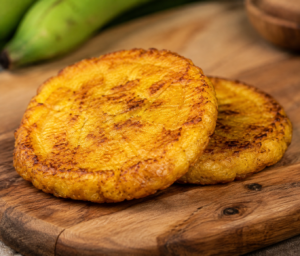
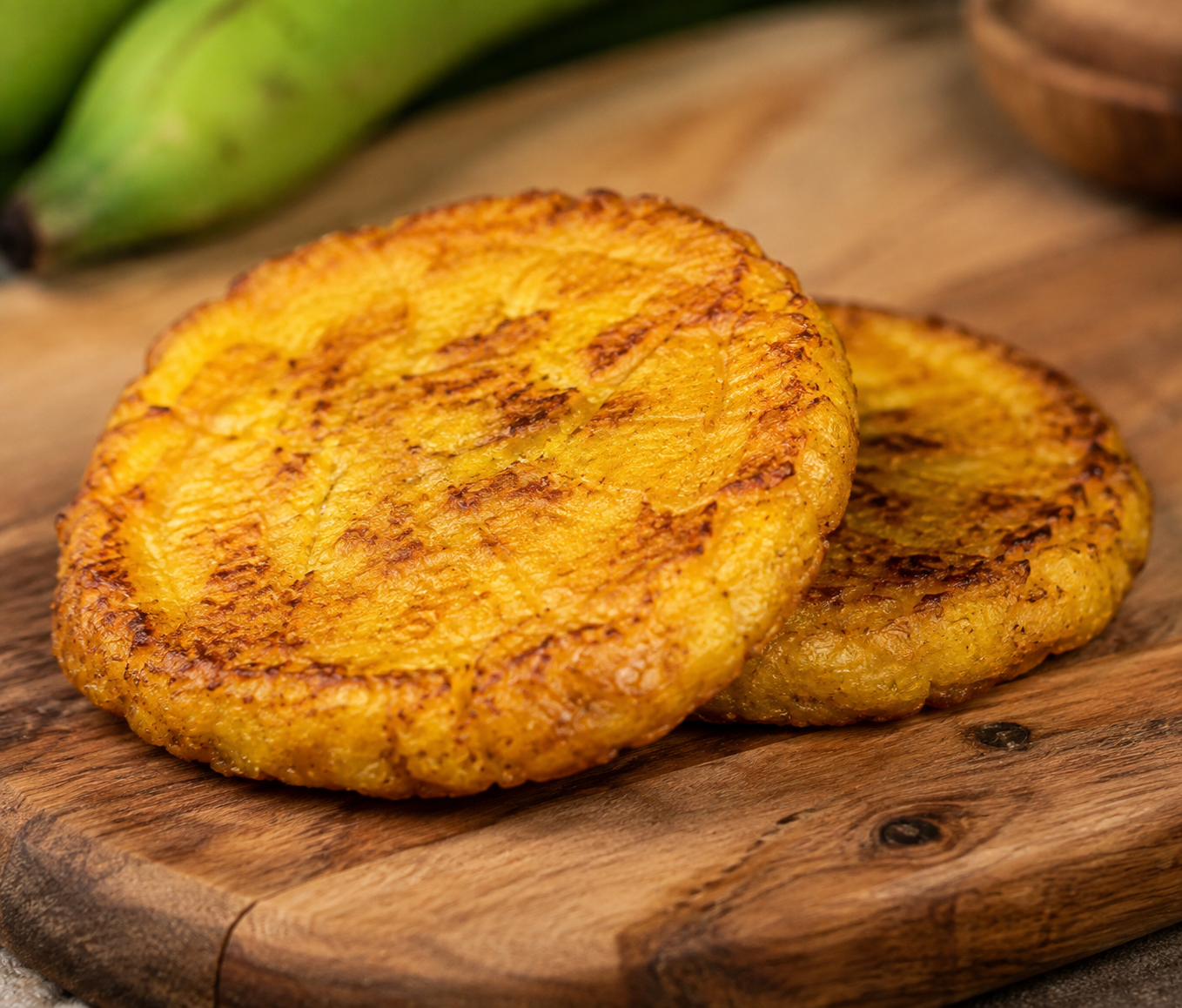
No jerk chicken plate feels complete without Fried Plantains. As the natural sugars caramelize during frying, the plantains develop a soft, buttery texture and subtle sweetness that beautifully balances the smoky spices of the chicken. That sweet-and-spicy combination is one of my favorite parts of any Caribbean meal.
For another authentic island favorite, serve your jerk chicken alongside Festival. These lightly sweet fried dumplings have a crisp exterior and a soft, fluffy center that’s perfect for enjoying with the chicken and those flavorful reduced cooking juices. Festival has long been a popular companion to jerk dishes throughout Jamaica, and it’s easy to understand why after the first bite.
If you’re looking to add something fresh to the plate, a side of Steamed Cabbage is an excellent choice. Lightly seasoned cabbage provides freshness and a delicate crunch that balances the richness of the chicken without taking attention away from it.
For family gatherings, holidays, or Sunday dinner, I also love serving jerk chicken with Mac and Cheese. The creamy, cheesy pasta creates a comforting contrast to the bold Caribbean spices, making it a favorite combination for both kids and adults.
Once you’ve mastered this traditional meal, you can also experience a completely different presentation by preparing my Floribbean Jerk Chicken with Tropical Mango-Pineapple Relish. The chicken itself remains the same, but the fresh tropical topping creates an entirely new flavor experience. It’s one of my favorite ways to show that you don’t have to change the foundation to create something new.
Whether you keep your plate simple or serve a full Caribbean feast, one thing never changes—the chicken remains the star. Build your meal around it, choose sides that complement its bold flavors, and you’ll have a dinner that’s just as satisfying for a quiet family meal as it is for your next backyard cookout or celebration.
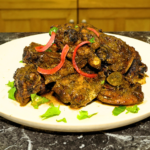
Traditional Caribbean Jerk Chicken
Ingredients
Chicken
- 4 lbs Bone-In Chicken Thighs or Leg Quarters
- 1 tsp Kosher Salt
Make Jerk Marinade
Instructions
Step 1: Make the Marinade
- Add all marinade ingredients to a blender or food processor.
- Blend until smooth.
Step 2: Marinate the Chicken
- Pat chicken dry.
- Season lightly with salt.
- Coat generously with jerk marinade.
- Cover and refrigerate overnight.
Step 3: Cook the Chicken
- Preheat oven to 375°F or prepare grill for indirect cooking.
- Arrange chicken on sheet tray or grill grates.
- Cook for approximately 40-45 minutes or until internal temperature reaches 175°F.
- For additional color and caramelization, broil for 2-3 minutes at the end of cooking.
Step 4: Rest and Serve
- Allow chicken to rest for 5-10 minutes before serving.
Video
Notes
- Rice and Peas
- Fried Plantains
- Festival
- Cabbage
- Mac and Cheese
Jerk chicken is all about balance.
Heat should never overpower the herbs, spices, and aromatics that make jerk so distinctive. Bring your fork or bring your feelings. Either way, I'm bringing flavor.
YOOOOUW!!