Caribbean Stewed Conch Recipe
There are a lot of ways to cook conch throughout the Caribbean, and everybody will tell you their way is the best.
This is mine.
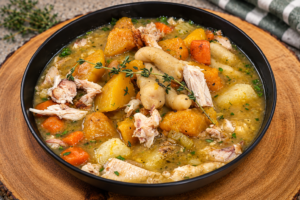
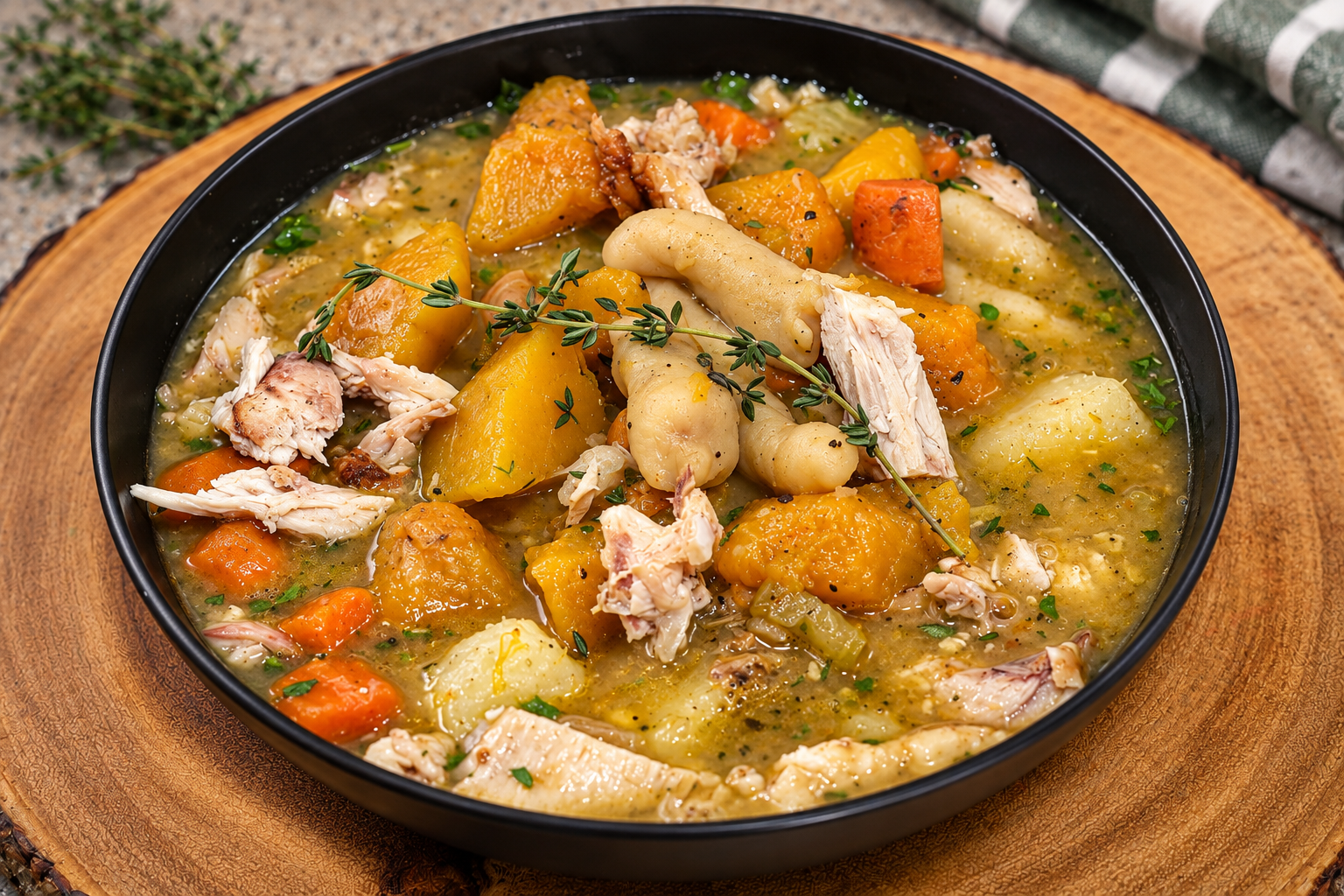
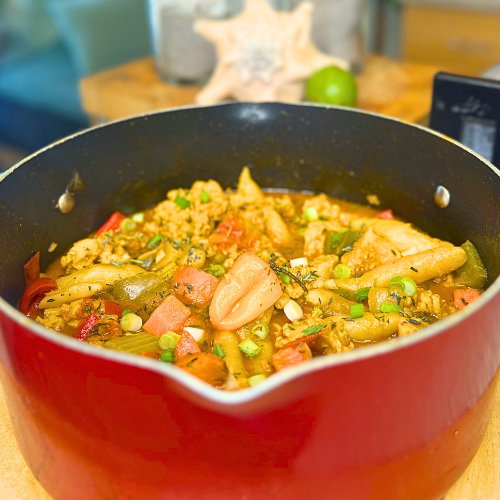
Today, I’m sharing my Caribbean Stewed Conch Recipe with a little Floribbean twist. It’s packed with fresh vegetables, herbs, beautiful flavor, and to take it one step further, I’m adding homemade coconut dumplings.
Now that’s optional…
…but I highly recommend it.
I actually got the inspiration for the dumplings after visiting Anguilla. I had stewed conch served with coconut dumplings, and I thought to myself, “This is nice.” So I came back home, put my own spin on it, and here we are. That’s what Floribbean cooking is all about—respecting tradition while adding a little personality to the plate.
Before we start cooking, let’s talk about the conch for a minute.
If you’ve never worked with it before, don’t worry.
Conch is a sea mollusk that lives inside a shell. Once it’s cleaned properly, it’s slightly sweet, a little briny, and has a texture that’s unlike anything else. Some people compare it to calamari, but I think conch deserves its own lane.
The biggest mistake I see people make?
They overcook it.
I don’t want my conch cooked until it’s mushy. I like it tender, but I still want that nice chew. That’s part of the experience. That’s why I always take the time to tenderize it first and then cook it just until it’s where I want it.
Over the years, I’ve cooked a whole lot of conch.
Back when I worked at Frenchman’s Reef in the Virgin Islands, we’d prepare banquet dinners for hundreds of guests, and conch was one of the seafoods we worked with regularly. We’d steam whole conch until it reached the perfect texture before turning it into different Caribbean dishes. That’s where I really learned that good conch isn’t about rushing the process—it’s about patience.
For this recipe, we’re building flavor from the very beginning.
Instead of boiling the conch in plain water, we’re cooking it with onions, carrots, celery, and seasoning. Once the conch is cooked, don’t throw that liquid away.
That’s liquid gold.
We’re going to use some of it later because all that flavor belongs in the stew.
Then we start building our gravy.
Fresh onions.
Garlic.
Ginger.
Sweet peppers.
Tomatoes.
Fresh herbs.
Every ingredient has a purpose, and every layer brings more flavor to the pot.
Then comes one ingredient that usually surprises people.
Vegetable juice.
Trust me on this one.
It adds another level of flavor without taking away from the seafood. Then I finish everything with my homemade green seasoning, fresh thyme, butter, and a squeeze of fresh lime juice. By the time it’s finished simmering, you’ve got a rich Caribbean stew that’s full of bold island flavor.
And then…
The coconut dumplings go in.
As they cook, they soak up that beautiful gravy, making every bite even better than the last.
Now, if you ask me what I’d serve with this…
Give me some peas and rice.
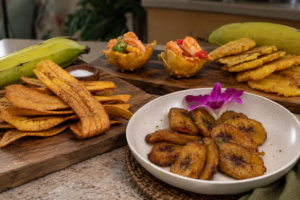
A few fried plantains.
Maybe a little avocado on the side.
That’s all I need.
So if you’re ready to bring a little taste of the Caribbean into your kitchen, let’s get started.
Why You’ll Love This Caribbean Stewed Conch Recipe
If you enjoy bold Caribbean flavors, this recipe is going to become one of your favorites.
The conch is tender with just the right amount of chew, the gravy is rich without being heavy, and the coconut dumplings bring everything together in the best way. Every spoonful is packed with fresh vegetables, herbs, and seasonings that slowly build layers of flavor.
I also love how versatile this recipe is.
Making it for Sunday dinner? Perfect.
Having friends or family over? This is one of those dishes that gets people talking before they even take the first bite.
Want a little more heat? Add another Scotch bonnet.
Want a little more gravy? Add a little extra stock and let it simmer.
That’s the beauty of Caribbean cooking. You can always make it your own.
One of my favorite parts of this recipe is the coconut dumplings. They’re soft, full of coconut flavor, and as they simmer in the stew, they soak up all that beautiful gravy. By the time they’re done, they’re just as flavorful as the conch itself.
Most importantly, this recipe isn’t complicated. If you can chop a few vegetables, build your flavors one step at a time, and let the stew do its thing, you’ll end up with a meal that tastes like it came straight from an island kitchen.
What Is Conch?
If you’ve never cooked conch before, you’re in for something special.
Conch (pronounced “konk”) is a sea mollusk that lives inside a large spiral shell. Once it’s cleaned and tenderized, the meat has a mild sweetness with a slightly briny flavor that many people compare to calamari.
The biggest difference is the texture.
When conch is cooked properly, it should be tender while still having a little bite. That’s exactly how I like it. I don’t cook it until it’s falling apart because I want that natural texture to shine through in every bite.
Before cooking, I always recommend cleaning the conch well with lime juice and vinegar, then tenderizing it before it goes into the pot. Whether you’re using a meat mallet or a pressure cooker to speed things up, taking the time to prepare it properly makes all the difference.
If fresh conch isn’t available where you live, frozen conch works just as well. Just make sure it’s fully thawed and cleaned before you start cooking.
Chef Winston’s Tips for the Best Stewed Conch
A good stew isn’t just about following the recipe—it’s about paying attention to the little details. Here are a few things I do every time I make this dish.
Clean Your Conch Properly
Before anything else, give your conch a good cleaning. I like using fresh lime juice and a little white vinegar to remove any slime and clean the meat before rinsing it with cold water. It’s a simple step, but it makes a big difference.
Tenderize Before You Cook
Conch needs a little help before it goes into the pot.
You can pound it with a meat mallet, use lime juice to help break down the fibers, or cook it in a pressure cooker like I do. The goal is to make it tender while keeping that nice bite that makes conch so enjoyable.
Don’t Throw Away the Stock
After the conch finishes cooking, save that liquid.
You’ve already built flavor with the onions, celery, carrots, and seasonings, so don’t let it go to waste. I use some of that stock to build the stew and even cook the coconut dumplings. That’s where a lot of the flavor comes from.
Build Your Flavor One Step at a Time
One thing I never do is rush the process.
Let the onions, garlic, ginger, celery, and peppers cook until they’re soft and fragrant before adding the next ingredients. Those few extra minutes create the foundation for a rich, flavorful gravy.
Don’t Be Afraid to Add Your Own Twist
One of my favorite ingredients in this recipe is vegetable juice.
It isn’t something everyone adds to stewed conch, but I love the extra depth it gives the gravy. That’s my style. I enjoy taking a traditional Caribbean dish and adding a little Floribbean personality without taking away from what makes it special.
Finish Fresh
Right before serving, I always stir in fresh thyme, a little butter, and a squeeze of fresh lime juice.
Those final ingredients brighten the stew, balance the richness, and bring all the flavors together in the pot. It’s a simple finishing touch, but it makes a big difference.
What to Serve with Caribbean Stewed Conch
This stew is hearty enough to enjoy on its own, especially with the coconut dumplings, but if you want to make it a complete Caribbean meal, here are a few of my favorite pairings.
Peas and Rice
If you ask me, peas and rice is the first thing that belongs on the table. The rice soaks up that rich, flavorful gravy, making sure none of it goes to waste. It’s a classic Caribbean pairing that never disappoints.
Fried Plantains
You can never go wrong with sweet fried plantains.
Their natural sweetness balances the savory flavors of the stew and adds another layer of island comfort to the meal. I always say if there are fried plantains on the table, everybody’s happy.
Fresh Avocado
Sometimes the simplest side is the best one.
A few slices of ripe avocado add a cool, creamy contrast to the rich stew. You don’t need to do much—just slice it and serve it alongside your bowl.
Steamed Vegetables
If you’re looking to add a little more color to the plate, steamed vegetables are a great option. Broccoli, carrots, green beans, or cabbage all work beautifully without taking away from the flavors of the stew.
Crusty Bread or Johnny Cakes
Don’t let that gravy stay in the bowl.
A warm piece of crusty bread or a homemade Johnny Cake is perfect for soaking up every last drop. Trust me, you’ll be glad you did.
Make It Your Own
One of the things I love most about Caribbean cooking is that every family has their own way of doing things, and that’s exactly how it should be.
If you like your food spicy, chop up that Scotch bonnet instead of leaving it whole.
Want a little more coconut flavor? Add a little extra coconut milk to the dumpling dough.
Like a thinner gravy? Add a little more of the reserved conch stock while the stew is simmering.
Cooking for a crowd? Double the recipe and let it simmer a little longer so all those flavors have time to come together.
Recipes like this are meant to be enjoyed, shared, and passed down. Don’t be afraid to make it your own while keeping the heart of the dish the same.
Storage & Reheating
If you have leftovers, you’re in luck. This stew tastes just as good the next day because all those flavors have had even more time to come together.
Refrigerate
Let the stew cool completely before transferring it to an airtight container. Store it in the refrigerator for up to 3 days.
Freeze
You can also freeze the stewed conch for up to 2 months. Just let it cool completely before placing it in a freezer-safe container.
If you’ve made the coconut dumplings, keep in mind that their texture may soften a bit after freezing and reheating, but they’ll still be delicious.
Reheat
For the best flavor, reheat the stew gently on the stovetop over medium-low heat until it’s warmed through. If the gravy has thickened too much in the refrigerator, add a splash of the reserved cooking stock or a little water to loosen it.
You can also reheat individual portions in the microwave, stirring halfway through so everything heats evenly.
Frequently Asked Questions
How do I keep conch from being tough?
The secret is to tenderize it before cooking and avoid overcooking it. I like my conch tender with a little chew—not so soft that it falls apart. Whether you use a meat mallet or a pressure cooker, taking the time to prepare it properly makes all the difference.
Can I make this recipe without a pressure cooker?
Absolutely. A pressure cooker simply speeds up the process. If you’re using a regular pot, simmer the conch until it’s tender before continuing with the recipe. It will take longer, but you’ll still get great results.
Can I use frozen conch?
Yes. Frozen conch works well for this recipe. Just make sure it’s completely thawed, cleaned, and tenderized before you start cooking.
Do I have to make the coconut dumplings?
No. The coconut dumplings are my Floribbean twist on this dish after being inspired by a meal I enjoyed in Anguilla. They’re optional, but they do a wonderful job of soaking up that rich Caribbean gravy.
What can I serve with Caribbean Stewed Conch?
I love serving it with peas and rice, fried plantains, or fresh avocado. Those sides complement the rich flavors of the stew without overpowering it.
Can I make this recipe ahead of time?
Yes. In fact, many people find that the stew tastes even better the next day because the flavors have had more time to come together. Store it in the refrigerator and gently reheat it before serving.
Bring the Caribbean to Your Kitchen
There’s nothing quite like a pot of homemade stewed conch simmering on the stove. It’s comforting, packed with bold Caribbean flavors, and a meal that’s meant to be shared with the people you love.
I hope this recipe gives you the confidence to cook conch at home and shows you just how rewarding it can be. Take your time, build your flavors, and don’t be afraid to make this dish your own.
When you make this Caribbean Stewed Conch Recipe, I’d love to hear how it turned out. Leave a comment below, share your favorite side dishes, and let me know if you added your own special touch.
And if you’re looking for more Floribbean recipes, be sure to check out some of my other favorites right here on ChefWinston.com. There’s always something new cooking in my kitchen!
Happy cooking!
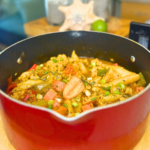
Island Stewed Conch w/ Coconut Dumplings
Ingredients
Stewed Conch
- 2 lbs conch meat cleaned and tenderized
- Juice of 1 lime for cleaning
- 2 tbsp white vinegar for cleaning
- 2 tbsp vegetable oil
- 1 medium onion diced
- 4 garlic cloves minced
- 1 stalk celery chopped
- 1/2 green bell pepper chopped
- 1/2 red bell pepper chopped
- 2 scallions chopped
- 1 Scotch bonnet whole or chopped, optional for heat
- 1 tbsp tomato paste
- 1/2 tsp paprika
- 1/4 tsp ground thyme or 3 sprigs fresh thyme
- 1/2 tsp all-purpose seasoning
- 1 cup diced tomatoes fresh or canned
- 1 1/2 cups low-sodium chicken broth or water
- Salt and black pepper to taste
Coconut Dumplings
- 2 cups all-purpose flour
- 1/2 cup unsweetened grated coconut fresh or dried
- 1/2 tsp salt
- 1 tsp sugar optional
- 1/2 cup coconut milk add more if needed
- Water as needed, to adjust texture
Instructions
Stewed Conch
Clean the Conch
- Rinse conch in lime juice and vinegar. Scrub to remove slime and grit. Rinse again with cold water.
- Tenderize conch by pounding with a mallet or simmering for 45 minutes in lightly salted water or you can use a pressure pot to shorten the time- Set aside.
Build the Stew Base
- In a large pot, heat oil over medium. Sauté onion, garlic, celery, scallions, and peppers until softened (about 5 min). Add tomato paste, paprika, and thyme. Cook until fragrant—about 1–2 minutes.
Simmer the Conch
- Add tomatoes and tenderized conch. Stir to coat. Pour in broth or water until just covered. Season with salt, black pepper, and all-purpose seasoning.
- Reduce heat to low, cover, and let simmer for 30–45 minutes until the conch is tender and flavorful.
Coconut Dumplings
Mix Ingredients
- In a mixing bowl, combine flour, grated coconut, salt, and sugar. Add coconut milk and mix to form a soft, pliable dough. Add water 1 tbsp at a time if too dry.
Form Dumplings
- Pinch off dough and form into small oval or flattened discs (or roll into logs). Set aside.
Cook Dumplings
- About 20 minutes before stew is done, gently place dumplings into the pot. Do not stir for the first 10 minutes to avoid breaking them. Let them cook through until firm and infused with stew flavor.
Video
Notes
🏝️ To Serve:
Plate the stew with dumplings in a shallow bowl, garnish with chopped parsley or scallion. Serve with a side of steamed veggies, avocado, or fried plantain for a full Caribbean meal.